BUILDING EARL • PROJECT OVERVIEW
What It Actually Takes to Turn an $800 Horse Trailer Into a Modular Event Trailer
The idea is simple. The build is not.
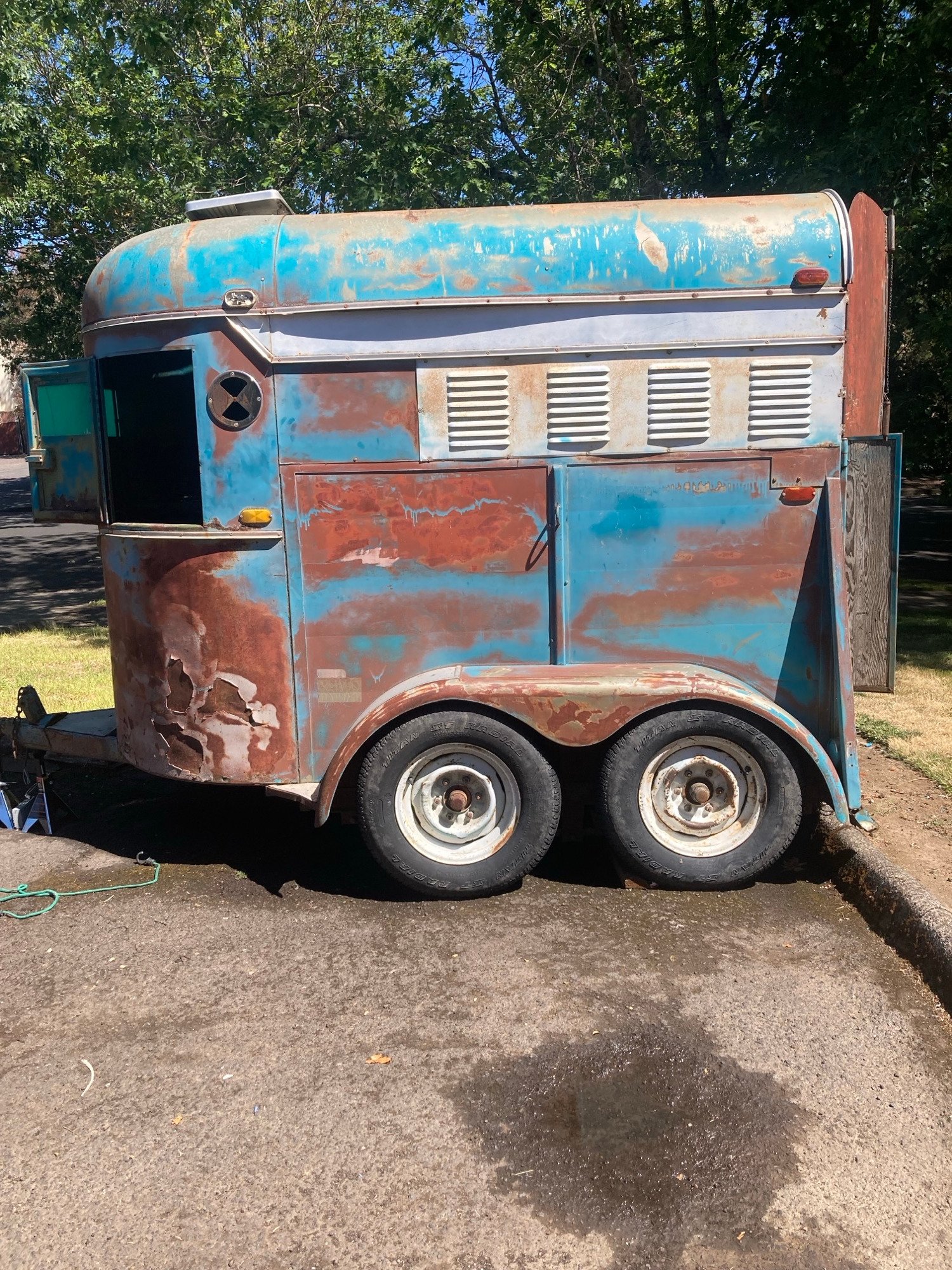
On paper, Earl sounds simple.
Buy an old horse trailer. Clean it up. Cut in a service window. Add some equipment. Start doing events.
In reality, every decision affects five other decisions.
The floor affects the wiring. The wiring affects the generator. The service window affects the structure. The structure affects where the Unistrut can go. The modules affect weight balance. Ice affects water and power. And everything has to survive bouncing down the highway before Earl ever serves his first drink.
Earl came to me through Barter Faire family, with a mix of barter, helping each other out, and cash. I brought him home because I saw something more than an old horse trailer.
I saw a platform.
The goal is not to turn Earl into one permanently configured concession trailer. The goal is to build a modular event-service trailer that can change depending on the event.
One day Earl can become The Hydration Station, serving freshly prepared hydration drinks made from natural ingredients. Another day he can become On The Wagon, a zero-proof beverage bar. Another day he can become The Citrus Showdown, a family-focused interactive experience built around a Lemon-vs-Lime rivalry, audience participation, and a whole lot of personality.
The fun part is what Earl becomes. The hard part is building the bones that make all of that possible.
The Good News: Earl Has Good Bones
The first question with any old trailer is whether the project is even worth doing. In Earl's case, the answer is yes.
The main structure is solid, and the suspension system is good. I also know Earl behaves well on the road because I towed him home from Chesaw, Washington, and he tracked and towed great the whole way.
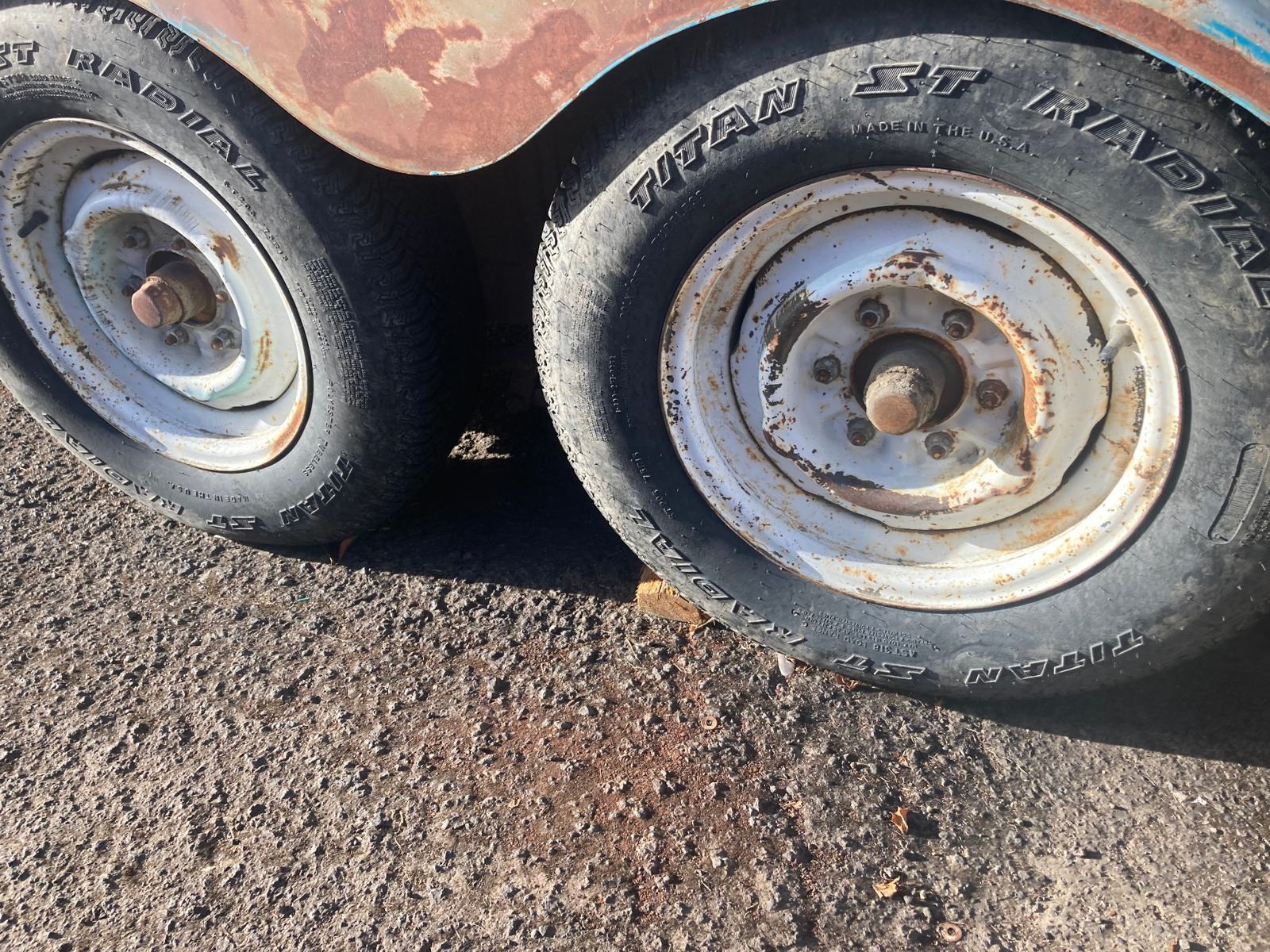
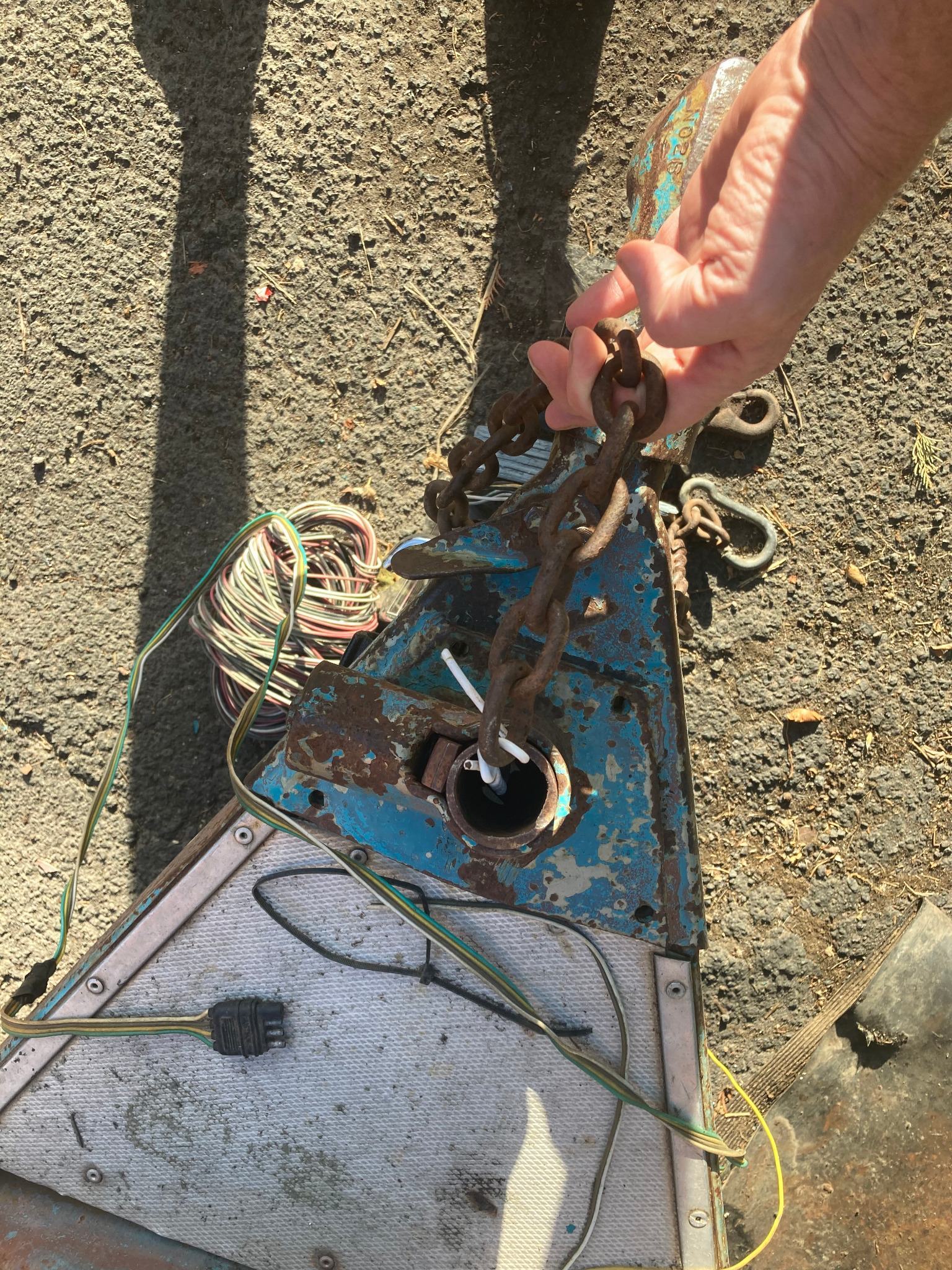
Before Earl starts hauling equipment and working events, I want the running gear and safety systems gone through properly.
- repair the trailer brake system
- replace the missing safety chain up front
- inspect the coupler and jack
- check the bearings
- go through the trailer wiring and lights
- replace the old rims
- install new trailer-rated tires
The old wheels have done their time. I would rather start Earl's working life with fresh white steel rims and new shoes than gamble on beat-up hardware and old rubber.
Earl's patina can stay vintage. His road-safety equipment cannot.
The Floor Has to Come Out
Earl's existing floor is rotted, so it needs to be removed. That sounds like a problem, but it is also an opportunity.
With the floor out, I can inspect the steel underneath, address any rust or corrosion, repair anything that needs attention, and access wiring while everything is exposed.
Then the new floor can be built specifically for event service: durable, waterproof, washable, easy to inspect, and easy to repair.
The plan is a sealed floor system with protected edges and a drainage path that allows controlled washdown water to move toward a floor drain. The drain will use a removable strainer and a valve underneath the trailer, with discharge collected in a portable graywater container rather than hauling around a permanent waste tank.
Simple. Cleanable. Repairable.
The Service Window Is More Than a Hole in the Wall
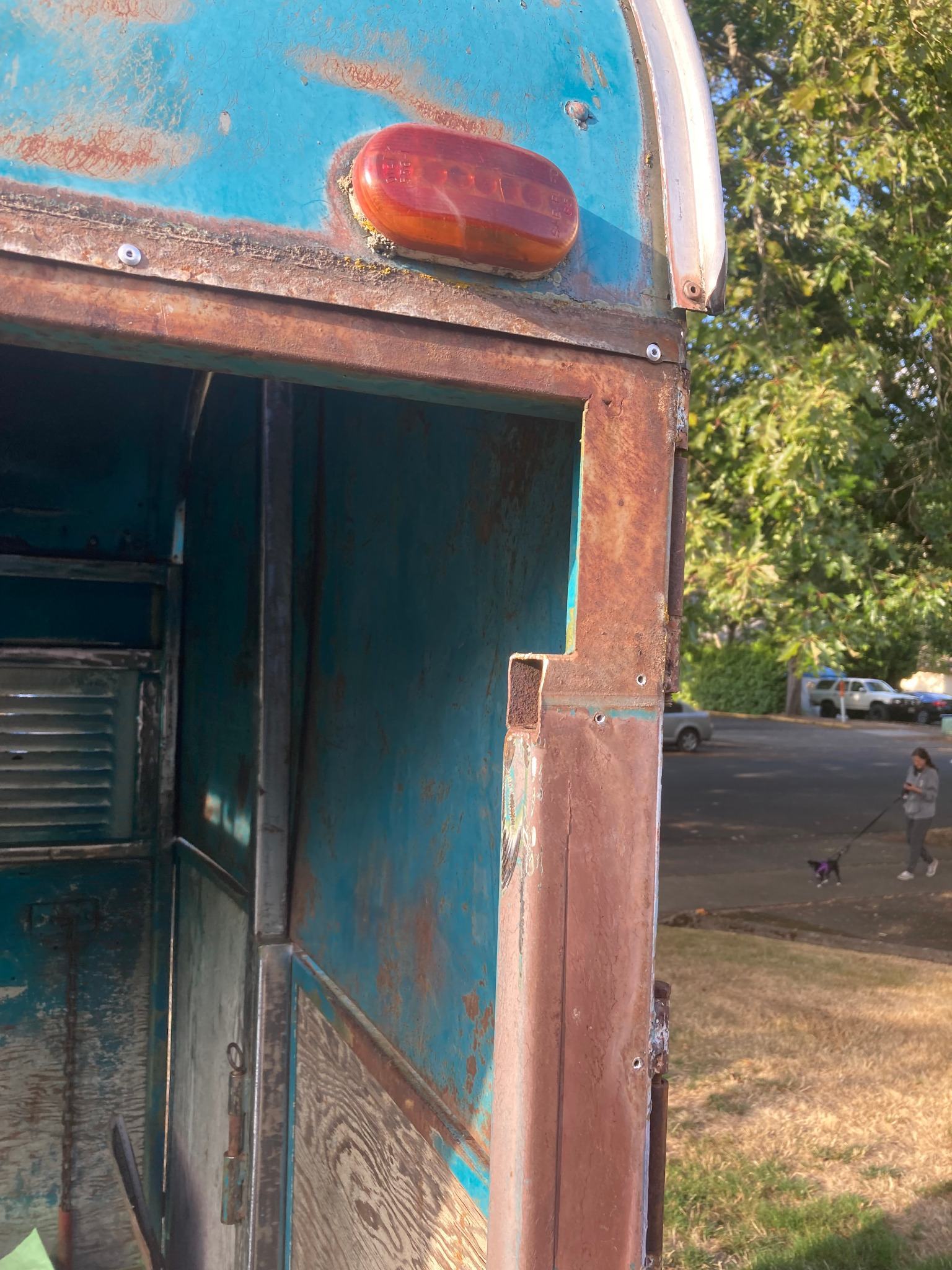
The service window is one of the biggest visual changes to Earl, but it is also a structural one.
The plan is to tie the opening into Earl's existing steel framing so the trailer remains structurally sound.
The hatch itself will be lightweight and corrosion resistant, likely an aluminum-skinned assembly or another rigid lightweight panel once the final dimensions and finished weight are known.
The hatch will open upward using gas struts, but I do not want gas struts to be the only thing holding a large panel above somebody's head. The final system will also include positive-lock safety stays or mechanical supports.
Inside the service opening, Unistrut can create an adjustable mounting framework for removable serving shelves, lighting, signage, cup dispensers, weather screens, temporary side wings, and configuration-specific accessories.
The trailer steel carries the structural load. The Unistrut provides adjustability.
E-Track and Unistrut: Two Different Jobs
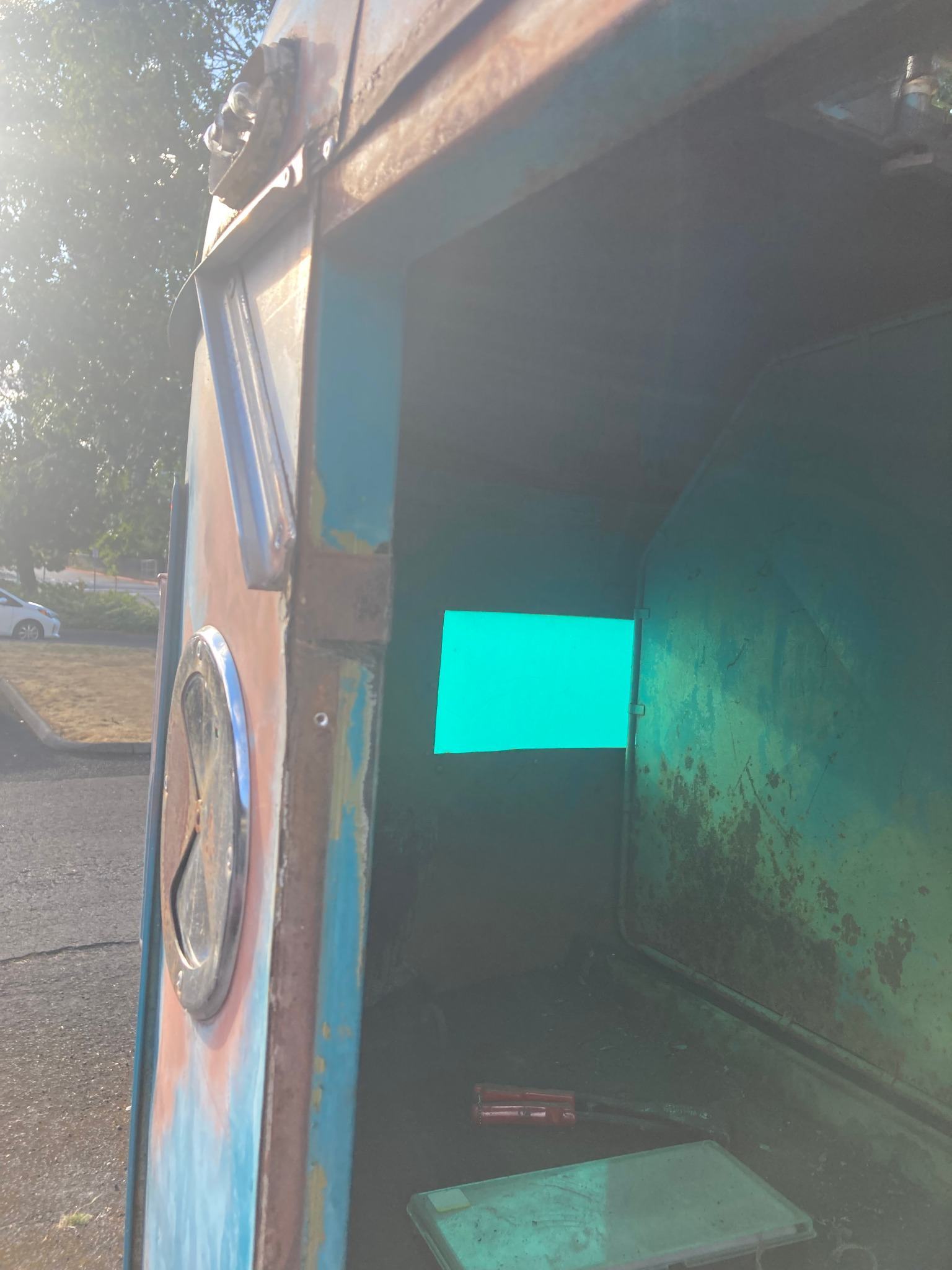
The modular interior is the heart of Earl's design.
I am planning to use both E-track and Unistrut because they solve different problems.
E-track is ideal for fast attachment and restraint: straps, D-rings, shelf brackets, beam sockets, tool holders, removable restraints, and modular accessories.
Unistrut is more like an adjustable structural skeleton: shelves, lighting, glass racks, signs, window hardware, utility rails, and service accessories.
Heavy loads go to the floor.
E-track and Unistrut organize, stabilize, and restrain equipment. They do not magically turn Earl's walls into load-bearing shelves.
Every module should have a service position, a transport position, a storage position, and a known load path.
Earl Needs Two Ways to Make Power
Earl is supposed to work whether a venue has power or not, so the electrical system needs to support both shore power and a quiet inverter generator.
Inside the trailer, Earl will have standard 120-volt AC wiring for lighting, refrigeration, ice equipment, pumps, and other service gear.
The system will need proper source selection so Earl can plug into venue power when it is available or switch safely to generator power when it is not.
I do not want a screaming construction generator sitting next to a beverage trailer. The plan is a quiet inverter generator sized around Earl's actual electrical load.
Before buying it, I need to total the wattage of the equipment each configuration will use: ice maker, refrigeration, lighting, pumps, small appliances, and configuration-specific equipment.
The final 120V wiring and power-source selection setup will be done or reviewed by someone qualified.
Water Needs to Stay Simple
I do not want Earl dependent on complicated plumbing if a simpler system works.
The plan is portable potable-water containers or a venue connection when available. Some equipment, including the ice maker I am considering, can run from 5-gallon water jugs.
The water system should be easy to clean, easy to inspect, and easy to repair. The same goes for graywater.
If a removable waste container works better than a permanent tank, I would rather keep it removable.
Low-tech is not a bad thing when low-tech is reliable.
Ice Is Its Own System
For beverage service, ice is not an afterthought.
I am looking at an ice maker capable of producing roughly 150 pounds of ice in 24 hours, with a batch dropping about every nine minutes.
But even with an ice maker, Earl still needs a speed well.
The ice maker produces ice. The speed well makes service fast.
During a rush, I also want reserve ice in insulated coolers so the entire operation does not depend on the machine keeping pace with the line in real time.
Ventilation, Cleaning, and the Boring Stuff Matter Too
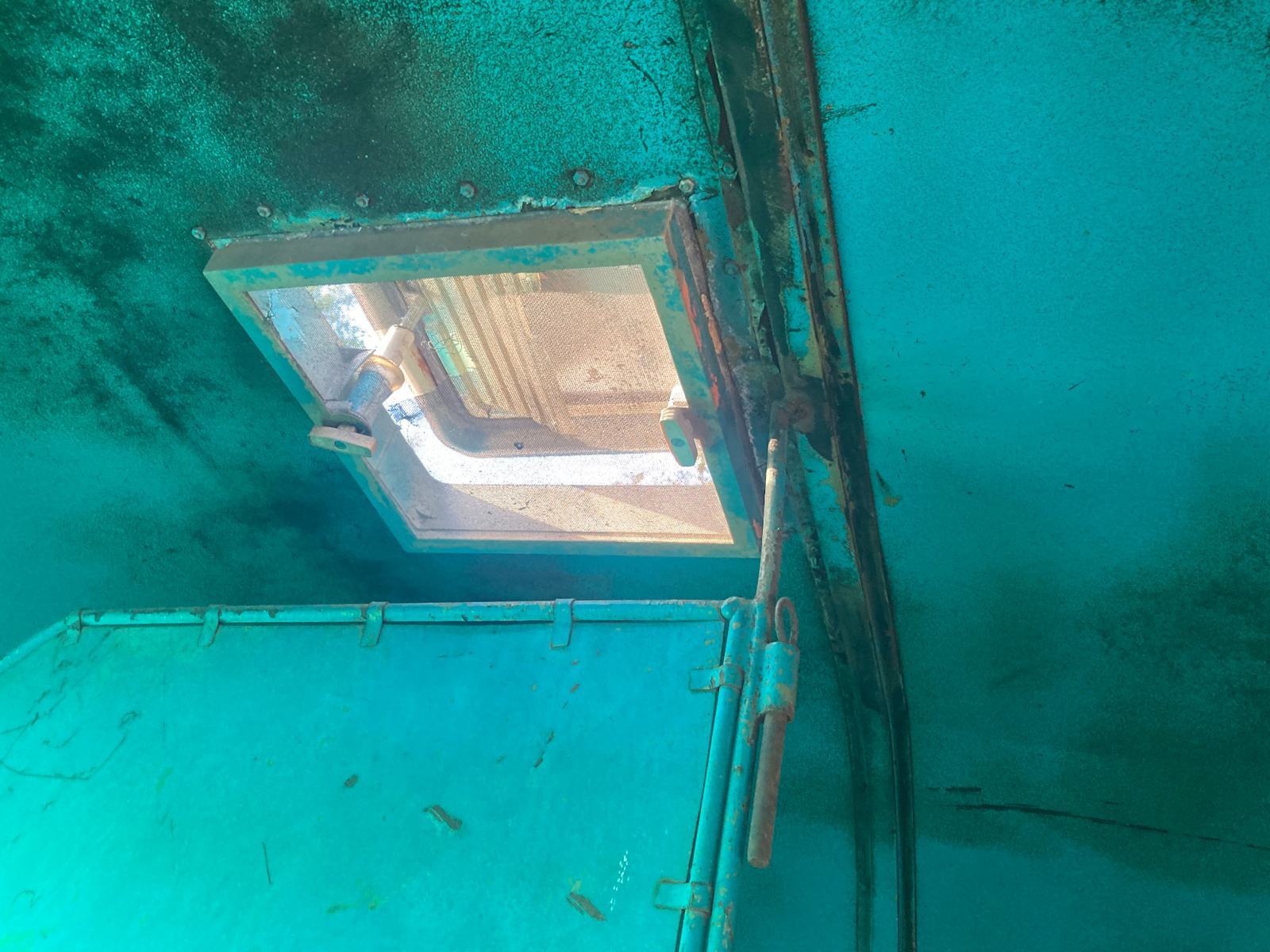
Earl has an existing pop-up roof opening that may be useful for passive ventilation and crossflow. That is especially valuable after cleaning.
A washable trailer is only useful if it can also dry properly.
The build also needs to account for bright interior task lighting, service-window lighting, an accessible fire extinguisher, an unobstructed exit, an accessible electrical shutoff, protected wiring, corrosion-resistant hardware, proper placement of water, generator, ice and heavy equipment, and sensible weight distribution over the axles.
None of that is glamorous. All of it matters.
Everything Has to Survive the Drive
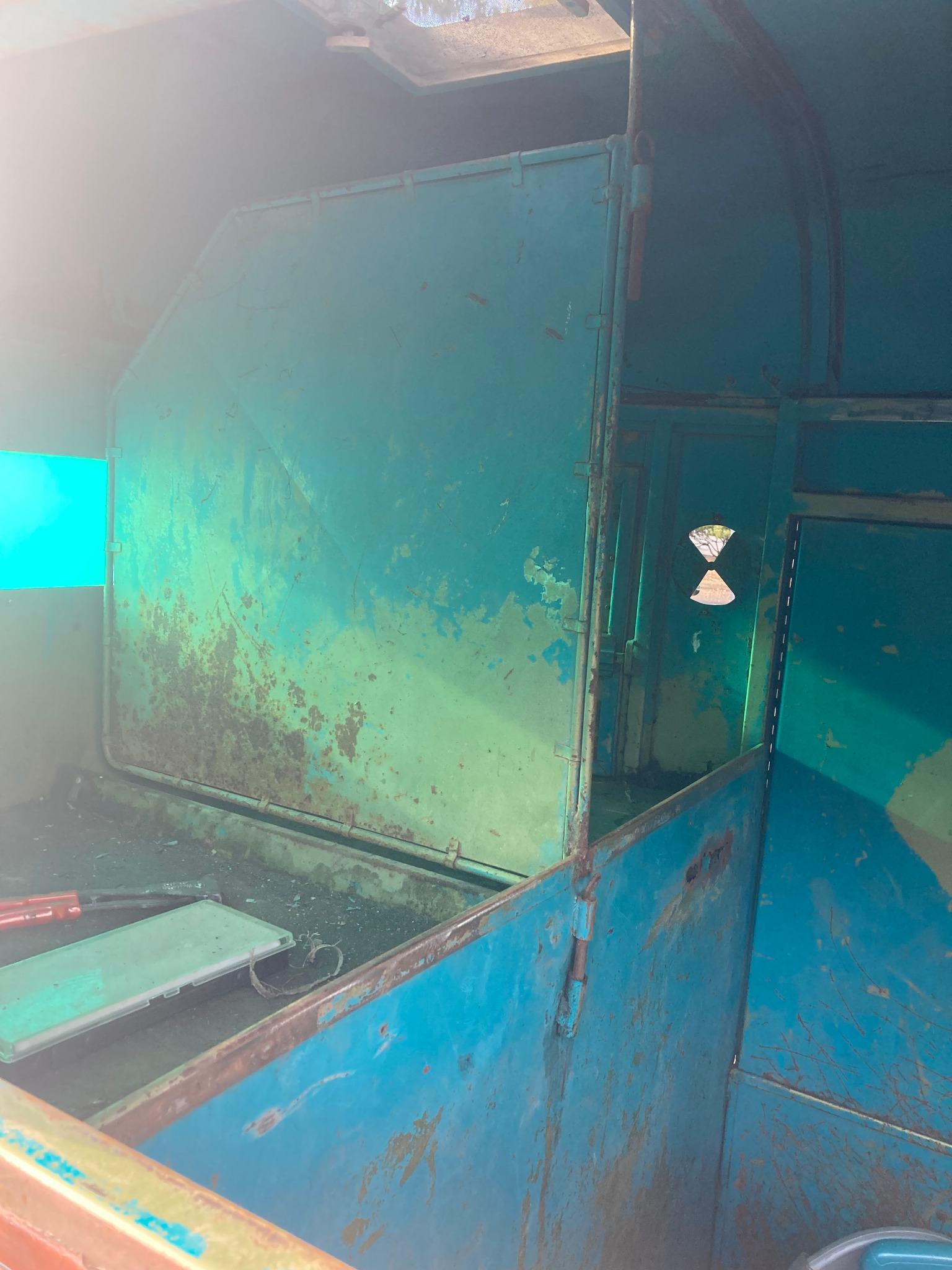
One of the easiest mistakes to make in a trailer build is designing for service and forgetting about transport.
Earl has to survive the highway first.
That means everything inside needs to be able to lock, latch, fold, strap, bolt down, or come out.
A shelf that works beautifully while Earl is parked is useless if it destroys itself ten miles down the road.
Every piece needs a service mode and a travel mode.
The Goal Is Minimum Viable Earl
I am deliberately building Earl in stages.
The goal is not to make him perfect before he ever leaves the driveway.
Safe. Clean. Functional. Modular. Ready to work.
Once Earl can safely start doing events and earning money, revenue from those events can help fund additional modules, equipment, and improvements.
Build the bones once. Then keep changing what Earl can become.
What Comes Next
This post is the overview. Over the next several weeks, I plan to break the build down system by system and document each part in more detail.
- Earl's brakes, wheels, tires, and roadworthiness
- pulling the old floor
- drainage and washdown design
- the service-window build
- gas struts and hatch safety
- Unistrut and E-track
- 120V wiring
- shore power and generator planning
- potable water
- ice production and speed-well design
- modular service equipment
- Hydration Station
- The Citrus Showdown
- On The Wagon
Some of those posts will be about things that work exactly as planned. Some will probably be about things I screwed up and had to redo. That is part of the point of documenting the build.
HELP GET EARL ON THE ROAD
Want to help build the next piece?
The GoFundMe is helping pay for the actual materials, safety work, and equipment that turn this plan into a working trailer.
Help Build Earl on GoFundMe Back to earlthetrailer.com